Blog · Play Therapy

EMDR for Children and Adults: How the Brain Heals

Many children and adults carry emotional experiences that feel too big, too intense, or too confusing to process on their own. Stressful events, moments of fear, early-life challenges, sudden changes, or ongoing pressures can overwhelm the nervous system.

Over time, these unprocessed experiences can show up as anxiety, emotional reactivity, sleep difficulties, avoidance, or a general sense of being “on alert.”

EMDR (Eye Movement Desensitisation and Reprocessing) is an evidence-based psychotherapy approach that helps the brain reorganise and heal these experiences, often more gently and efficiently than traditional talking therapy alone.


What Is EMDR?

EMDR is a structured therapy that uses bilateral stimulation, such as left-right eye movement, or bilateral tapping or sounds, those are use to activate the brain’s natural healing capacity.

When we experience something overwhelming, the brain can store the memory in a raw, unprocessed form. These memories remain “stuck,” and the body reacts as if the danger is still happening, even when the event is long over.

EMDR helps the brain process the memory more effectively, so it becomes less emotionally charged and less disruptive.

People do not forget what happened, but the memory becomes less painful, and the emotional part around it is more manageable. 


How EMDR Helps Adults

Adults often come to EMDR when they:

  • Feel “triggered” by reminders of past events
  • Struggle with anxiety, panic, or chronic stress
  • Carry early childhood experiences that still affect them
  • Experience relationship patterns they want to change
  • Feel stuck despite previous therapy
  • Have been through trauma, medical events, grief, or sudden life changes

EMDR enables the adult brain to process old emotional wounds in a safe, grounded way. Clients often report feeling lighter, calmer, and more present, with increased resilience and emotional flexibility.


How EMDR Helps Children

Children may not always have the words to explain what they feel, and sometimes they don’t need to; we can see when something goes wrong. EMDR is highly effective with children because it taps into their natural processing of experiences: sensation, imagery, and emotion.

EMDR can help children who are dealing with:

  • Anxiety and Fears
  • Sleep problems or nightmares
  • Stress at school
  • Separation difficulties
  • Bullying
  • Loss, transitions, or family changes
  • Traumatic events – both big and small, such as DV, divorce and separation, medical or dental, grief and loss, and more. 

After EMDR sessions, parents often notice positive changes, such as improved regulation, reduced fears, better sleep, and increased confidence.


What EMDR Sessions Look Like

Whether with a child or an adult, EMDR begins with safety and regulation.
We build the inner tools needed for grounding, emotional understanding, and connection. Only when a sense of stability is established do we begin the reprocessing stages.

Bilateral stimulation helps the brain process the memory and move it from “stuck” to “processed”. However, it is only one component of the EMDR approach. 

EMDR also includes identifying negative cognitions, feelings, and physical sensations that the client may have; those will be processed as part of the holistic EMDR approach, alongside building safety, enabling positive cognitive, and increasing trust and self-esteem. 


Where Play Therapy Connects — For Children

For children, EMDR often naturally weaves into the language of childhood: play.
Through drawing, storytelling, sand trays, pretend play, or movement, the child expresses their feelings. Playful EMDR supports the brain processing the big events and reorganize the emotional material to become less triggering and the little person will be better regulated.

This combination allows healing to happen in a developmentally appropriate, regulated, and deeply supportive way.

Play Therapy

Family Support

Providing parental and family support according to the family needs. This can be carried out in a personal consultation, Filial Play Coaching, or in group with Circle of Security-Parenting™ seminar.

To read more about Circle Circle of Security-Parenting™ click here.


Workshops:

Circle Of Security® Parenting™ Group

‘Circle of Security Parenting’® is a program designed to support and strengthen the sense of security in parent-child relationships. It suggests a new approach to build and enhance the child’s confidence, resilience and ability to cope with difficult times.

Parenting Infants

Raising infants in this era involves a lot of questions and insecurity. This course is designed for young parents who wish to understand more about the child’s needs in his or her young age.


Play Therapy

Clinical Supervision

Clinical Supervision designed to support professionals who work with children and their families. Using a creative tool-kit, the supervision sessions offer a safe space for each practitioner to explore their clientele’s work, his or her journey, and to hence their learning and growth.

The sessions can be conducted face to face or virtually, in either individual sessions or group sessions.

Play Therapy

Dyadic Therapy – Theraplay®

Theraplay® is designed to enhance the parent and child relationships by improving their attachment. It is a structured, focused technique that offers playful activities to be carried with the parent and child with the therapist.

The fun games will offer a multi-sensory experience that promotes closeness, joy, and safety, and are aligned with the child’s developmental level.

To read more about Theraplay® at The Theraplay Institute please click here.

Workshops

Water for Two: Dyadic Intervention using Water Play Therapy


Course Synopsis

“Water for Two” is a unique intervention course designed to support and enhance the parent-child relationship.

This program was created by two experienced therapists- Yael Livne and Hagit Kirshner-Shalom; both have partnered to build this integrative modality of dyadic work using Water Play Therapy.

Water Play is known for its impact on therapeutic processes; it will be the primary therapeutic tool in this course.
The value of Water Play and how to use it in a dyadic setting will be learned throughout this course (parent-child-therapist). 
Participants will be able to use Dyadic Water Play for assessing the dyad relationship, as well as using it proactively to empower them and assist in overcoming their difficulties.

The learning will include theory and practice to have first-hand experience.

About the Course

This course integrates different methods, knowledge, and practices that together establish an innovative working model for parent-child connection.

The mutual Water Play will be utilized as a catalyst for attachment processes, building trust and communication, aiming to strengthen the dyadic bond.
The course will share a new way to observe, understand, and support the dyad, using water as a multifaceted tool.

Course Objectives

  • Water Play theory and techniques will be presented.
  • Dyadic treatment theory and techniques will be presented.
  • Three working techniques of Dyad Water Play will be presented and practiced.
  • Parent-Child activities and practical tools will be shared, including telehealth modification.
  • The learning will be interactive with clips, exercises, and demos to bring the learning to life.
  • By the end of the course, participants will be able to use Dyad Water-Play as an assessment tool and as enabling tool with their relevant clients.

Course Modules 

  1. Intro: an overview of attachment theory, advantages and principles of expressive therapy, dyadic work, and water play.
  2. Fundamental and advanced needs of children and typical challenges in the parent-child relationship. 
  3. Advantages and challenges of working in dyadic and triangle modality.
  4. Water Play foundations and principles (using colors, play objects, and storytelling).
  5. Dyadic Water Play framework and the three working concepts. 
  6. Practical tools and techniques: activities, demos, and case sharing.
  • A course booklet will be shared with the participants.

Who is This Course For 

  • Psychologists 
  • Psychotherapists
  • Play and Creative Arts Therapists
  • Art Therapists
  • Family Therapists
  • Social Workers
  • Counselors  
  • Occupational Therapists
  • Speech Therapists 
  • Any professional who works with children and parents and wishes to expand his or her toolkit.

Framework 

Where?Six live sessions, each of two hours (Zoom)
When?28th Jan, 2nd Feb, 9th Feb, 16th Feb, 23rd Feb, 25th Feb, 2023
Cost?375£ for PTUK/PTI member
RegistrationPress here

Need extra support?
2 months post course support is offered.
Individual and group supervision for graduates will be available.

Contact me for more details: hagit.playtherapy@gmail.com or Contact.

About the Presenters:

Psychologist (M.A), Accredited Play Therapist,
Theraplay practitioner (L1),
Circle of Security Facilitator,
Filial Coach (P),
Clinical Supervisor (P)

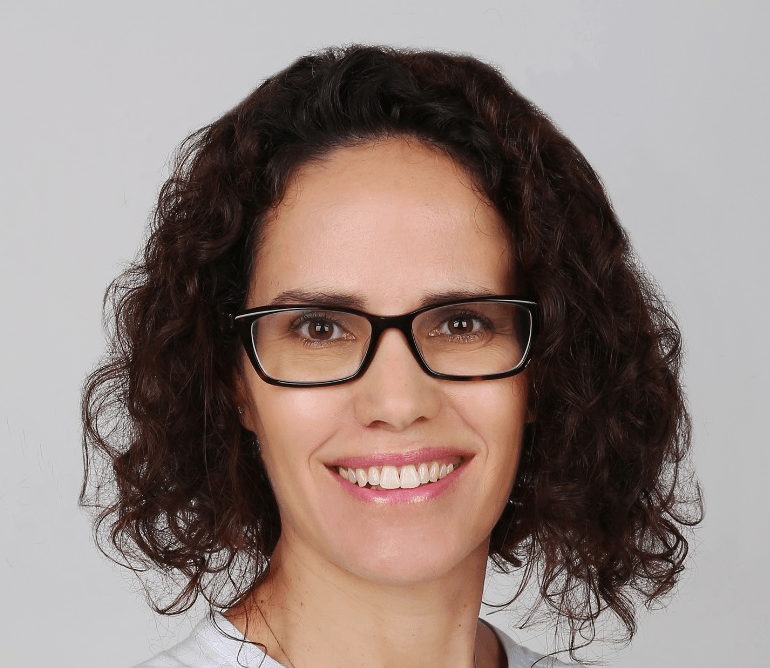
Hagit Kirshner-Shalom is a Psychologist and Accredited Play Therapist with vast experience supporting children and families. Hagit offers individual and parent-child (dyad) intervention; in addition to group therapy, as well as workshops for parents and professionals. Hagit works in a private intervention center and is also a lecturer in “Oranim College” (at the Post Graduate studies of Play Therapy) in Israel. Previously, she worked in an early intervention center and international schools in Singapore.
Play Therapy is Hagit’s main passion. She attained multiple certifications in the therapeutic field, aiming to help parents and children heal and overcome their challenges.

Expressive Art Therapist (M.A)

Yael Livneh is an Expressive Art therapist living in Israel. Yael is practicing psychodrama and inter-modality approaches for over 20 years. Yael owns a private clinic and specialised in supporting children with emotional difficulties. Yael developed the “Water Play Therapy” (WPT), an innovative water-based technique. She published her book “Rising on Water” in 2015. Yael presents her method around the world to medical and educational staff in hospitals and universities; she trained teams in Africa and Asia through international organizations. Yael is an academic team member of “Oranim College” and supervises therapists.
Yael’s website